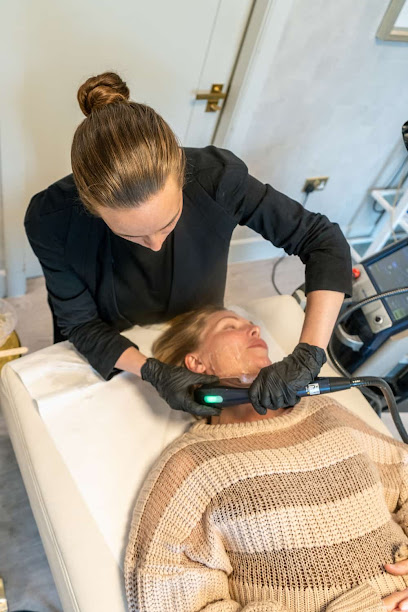
Inflammatory Skin Conditions
Inflammatory Skin Conditions Treatment
Inflammatory Skin Conditions Treatment Statistics and Key Information
- Patient Satisfaction Rate
- 95%
- Average Treatment Cost
- See provider pricing
- Number of Reviews
- 43369
- Treatment Downtime Duration
- Varies by treatment
- Number of Available Practitioners
- 1105
Overview
Inflammatory skin conditions are a broad group of disorders where the immune system gets a bit overexcited and triggers redness, swelling, itch, pain, or scaling in the skin. Think eczema, psoriasis, rosacea, acne, hidradenitis suppurativa, lichen planus. Different names, similar theme. The immune system releases inflammatory chemicals like cytokines, histamine, prostaglandins, and that messes with the skin barrier, blood vessels, and sometimes hair follicles. Treatments work by calming that immune response, repairing the skin barrier, or targeting specific pathways that are misbehaving. There’s rarely a single cause or cure. It’s more like ongoing management with adjustments along the way. (NHS, British Association of Dermatologists)
Goals of Inflammatory Skin Conditions treatment
- Reduce inflammation, redness, itching, and pain.
- Restore the skin barrier so it can protect itself again.
- Prevent flares, infections, scarring, or long-term skin damage.
- Improve quality of life, sleep, confidence, and daily functioning.
Treatment Options
Pros
- Wide range of treatments available, from mild topicals to advanced biologics.
- Many conditions can be well controlled even if not cured.
- Stepwise approach lets you start gentle and escalate if needed.
- Newer targeted treatments are much more precise than older drugs.
Cons
- Most inflammatory skin conditions are chronic.
- Trial and error is common before finding the right regimen.
- Some treatments have side effects or need monitoring.
- Flare-ups can still happen even with good care.
Candidate & Preparation
Who is a Good Candidate
- Anyone with persistent redness, itch, scaling, pain, or recurrent flares.
- People whose skin symptoms affect sleep, work, or mental health.
- Those who haven’t responded to basic skincare alone.
- Patients with systemic symptoms or scarring need specialist care.
Appointments & Safety
What Happens During Appointment
- Detailed medical and skin history.
- Physical skin examination, sometimes full-body.
- Discussion of diagnosis, triggers, and treatment ladder.
- Plan for follow-up and escalation if needed.
- Appointments usually last 20–40 minutes.
Pain Considerations
Most treatments aren’t painful. Injections, phototherapy, or severe inflammation itself may cause discomfort, but pain is usually manageable.
Safety Considerations
- Topical steroids need correct strength and duration.
- Systemic treatments require blood tests and monitoring.
- Infection risk can increase with immune-modulating drugs.
Cost & Access
Typical Prices
On the NHS, treatment is generally free at the point of care. Private dermatology consultations usually cost GBP 200 to 400 initially, with follow-ups around GBP 150 to 300. Advanced therapies like biologics can cost thousands per year if self-funded.
Why Prices Vary
- NHS versus private care.
- Severity and complexity of the condition.
- Need for investigations, phototherapy, or injectables.
- Frequency of follow-ups and long-term treatment.
Results & Maintenance
How Long Results Last
Results vary. Some people see improvement in days, others take weeks or months. Control often lasts as long as treatment continues. Many conditions relapse if treatment stops completely.
Maintenance Requirements
Yes, most inflammatory skin conditions need ongoing maintenance. This might mean daily topicals, periodic injections, or regular reviews every few months.
Regulation & Guidelines
NICE Guidelines
NICE provides condition-specific guidance for eczema, psoriasis, acne, and other inflammatory skin diseases.
FDA Guidelines
In the US, many biologics and systemic drugs are FDA-approved for inflammatory skin conditions.
MHRA Guidelines
In the UK, treatments are regulated by the MHRA, with ongoing safety surveillance.